 Lic#RRC282812288

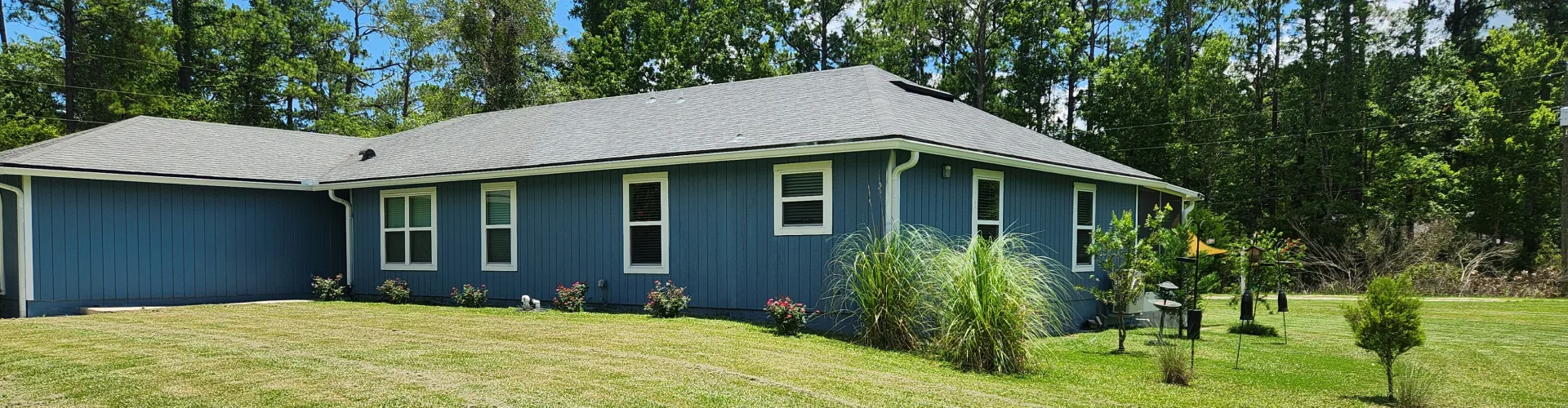
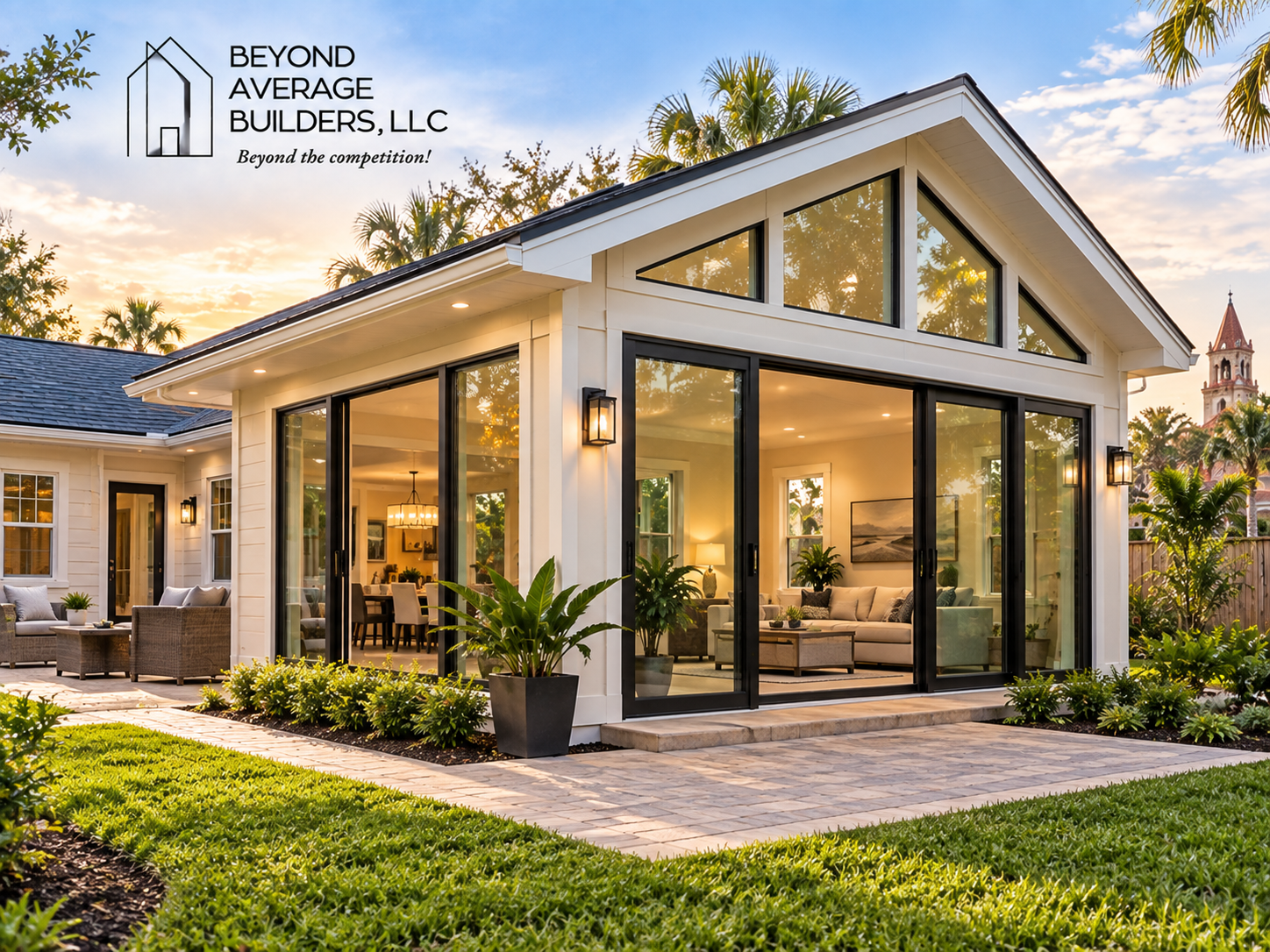
As families grow, work habits shift, or living needs simply change, many St. Augustine homeowners eventually reach the same conclusion: their current home layout no longer quite fits how they actually live. Rather than going through the disruption and expense of moving, room additions in St. Augustine, FL offer a practical way to gain the space you need while staying in a home and neighbourhood you already love.
Before diving into a room addition project, here’s what homeowners should understand about the process, costs, and local considerations specific to this area.
Common Reasons Homeowners Add On
Room additions tend to fall into a few common categories, each solving a different kind of space problem:
- A growing family needing an additional bedroom or larger shared living space
- Remote work needs, adding a dedicated home office separate from daily household activity
- Multigenerational living, creating a suite or additional space for aging parents or adult children
- Entertaining space, expanding a living or dining area to better accommodate gatherings
- Increased storage or functional space, like a mudroom, laundry room, or expanded garage
Understanding which of this best describes your situation helps shape the scope, layout, and priorities of the addition from the very beginning.
St. Augustine’s Unique Considerations for Home Additions
Historic District Regulations
St. Augustine’s historic character means that homes within certain districts may be subject to specific design guidelines or review processes, particularly for additions that affect the exterior appearance of the home. It’s important to determine early on whether your property falls within a historic overlay area, since this can significantly influence design options and timeline.
Coastal Climate and Material Choices
Like much of coastal Florida, St. Augustine’s humidity and proximity to the coast affect which materials perform best long term. Choosing moisture resistant materials for framing, siding, and flooring helps ensure your addition holds up well over time, rather than facing premature wear from the local climate.
Flood Zone and Elevation Considerations
Depending on your property’s specific location, flood zone requirements may influence foundation type, elevation, or other structural aspects of your addition. This is worth discussing early with your contractor to avoid surprises once permitting begins.
Local Permitting Process
Room additions typically require permits through the City of St. Augustine or St. Johns County, depending on your property’s specific location. Working with a contractor familiar with local permitting helps ensure the process moves smoothly and avoids compliance issues down the line.
What Influences the Cost of a Room Addition
Several factors affect what a room addition will ultimately cost:
- Size and complexity of the addition, since a simple single room addition costs less than a multi room or multi story expansion
- Foundation type, particularly relevant in flood zone areas where specific foundation requirements may apply
- Material choices, especially given the coastal climate’s impact on which materials are recommended for long term durability
- Integration with the existing home, since matching rooflines, siding, and architectural details to a historic or unique existing structure can add complexity and cost
A detailed, itemized estimate from a local contractor gives a far more accurate picture than general national cost averages, which often don’t reflect St. Augustine’s specific regulatory and climate related factors.
What to Expect During the Process
Initial Planning and Design
This stage involves defining your goals for the addition, discussing layout options, and beginning to address any permitting or historic district considerations specific to your property.
Permitting
Depending on your location and the scope of the project, this stage can take anywhere from a few weeks to longer, particularly for properties within historic districts requiring additional design review.
Construction
Once permitting is complete, actual construction timelines vary based on the size and complexity of the addition, but most projects take several weeks to a few months from groundbreaking to completion.
Final Inspection and Walkthrough
Before the project is considered complete, a final inspection confirms the addition meets all applicable codes, followed by a walkthrough with your contractor to review the finished space.
Final Thoughts
Room additions offer St. Augustine homeowners a practical way to gain needed space without leaving a home and community they value. Given the area’s historic district considerations, coastal climate, and specific permitting requirements, working with a contractor experienced in this local market makes a meaningful difference in how smoothly the project comes together.
If you’re considering an addition to your home, Beyond Average Builders offers room addition services built around the specific needs of homeowners in this region of Florida.
Frequently Asked Questions
1. Do all room additions in St. Augustine require a permit?
In most cases, yes, particularly for additions involving structural changes, electrical, or plumbing work. A local contractor can help determine specific requirements for your property.
2. How does being in a historic district affect a room addition project?
Properties within St. Augustine’s historic districts may be subject to additional design review or guidelines, particularly regarding exterior appearance, which can influence both design options and project timeline.
3. How long does a typical room addition take from start to finish?
Timelines vary based on scope and permitting requirements, but most projects take a few months from initial planning through construction completion.
4. Will flood zone requirements affect my room addition?
Depending on your property’s specific location, flood zone regulations may influence foundation type or elevation requirements, so it’s worth discussing this early with your contractor.
5. How much does a room addition typically cost in St. Augustine?
Costs vary significantly based on size, materials, and site specific factors like flood zone or historic district requirements, so a detailed local estimate is the most reliable way to understand realistic pricing for your project.
 Previous Post
 Next Post